
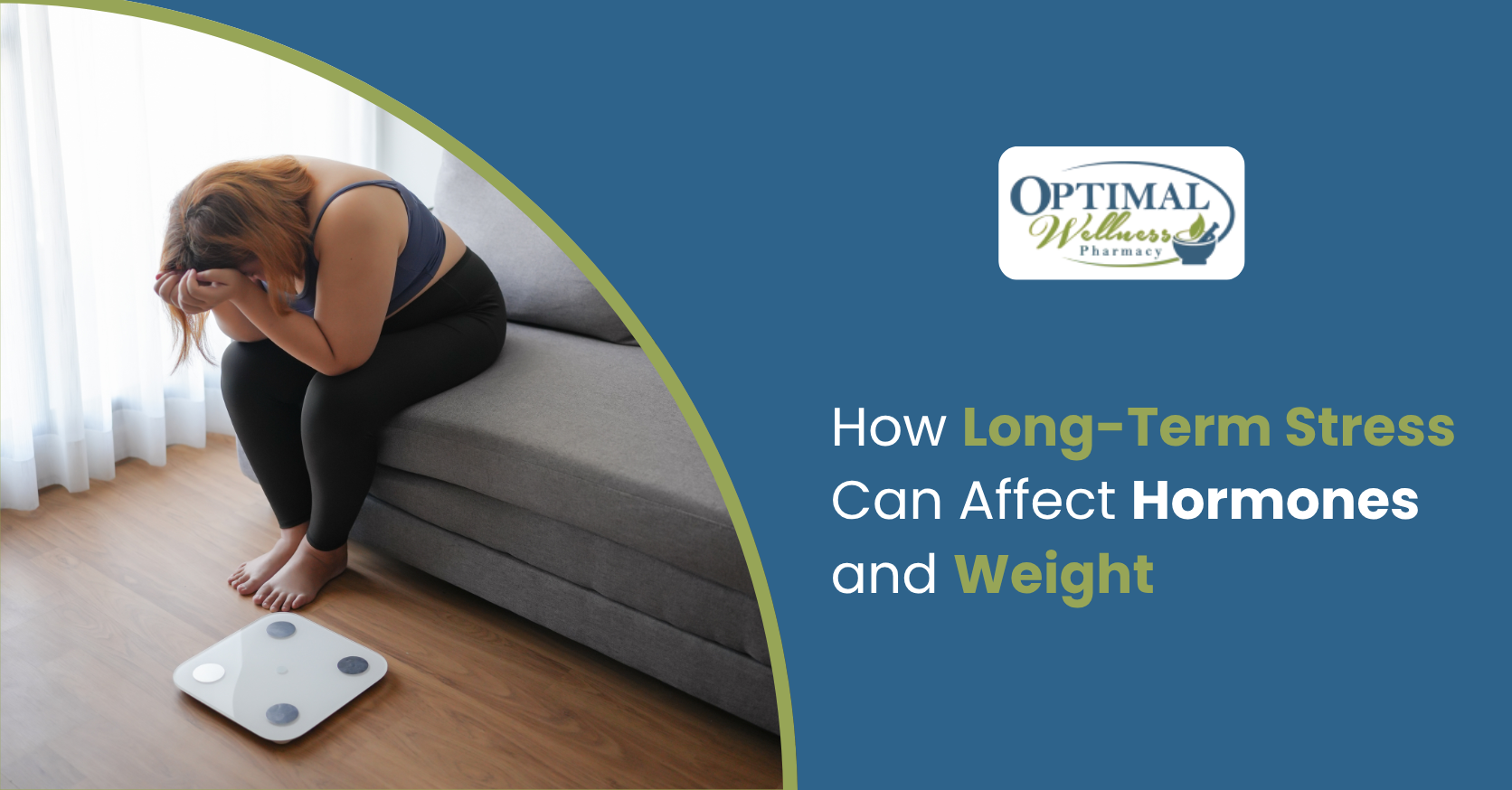
It’s common knowledge that too much stress can leave you feeling burnt out or nervous. However, when stress turns into a permanent part of your life, you do not realize that it subtly begins to change how your body operates on hormone level.
The result? Belly fat, fatigue growing more, and a metabolism that works to cause you only weight intake, more trouble, even if investing hours in the gym.
Over Time, What Happens in Your Body When Stress Becomes Chronic
Your body is designed to withstand periods of acute stress energy. Like a near-miss on the road or an important work deadline. At those moments, your brain tells the adrenal glands to release cortisol (a fast-acting anti-inflammatory hormone) and adrenaline, a hormone that will help you zero in on the problem and give you immediate energy. When the threat has or is disappearing, levels return down and your body finds its balance again.
Chronic stress breaks that system. With constant stress, such as financial, work pressure, relationship issues, or continuing health concerns, your body never hears the command to stop. Cortisol remains high day after day, and that is where the real harm really starts.
Identify the Hormone
Mainly called the stress hormone, cortisol is vital for more than just managing stress. Increases blood sugar, immune function, sleep, and digestion, and storage of body fat. The damage is widespread when it persists at an elevated level for an inordinate amount of time:
- Blood sugar spikes more frequently, creating hunger and cravings
- Fat storage redistributes to the abdomen – the most metabolically hazardous area
- The normal signaling of hormones is disturbed as inflammation increases
- This leads to a vicious cycle of increasing cortisol levels and poor sleep quality, becoming even more difficult to manage
This Is The Hormonal Chain Reaction You Probably Have No Idea About
Cortisol does not act alone. It is at the top of a hormonal cascade, and when it goes out of balance, it usually takes other hormones off track.
This chain reaction helps us understand why chronic stress can make recovery seem impossible, even while eating right and trying to rest.
Insulin Resistance and Blood Sugar Imbalance
Here are some signs:
- Strong sugar cravings, particularly during the afternoon or late in the evening
- Energy crashes after meals
- Struggling to lose weight, even with reduced food intake
- Having hunger again within a few hours of eating a full meal
Thyroid Function Under Pressure
Your thyroid regulates the speed of your metabolism. Unfortunately, chronic stress inhibits the production of thyroid hormone and inhibits the responsiveness to which at least the body converts inactive thyroid hormone to fulfill its downstream potential.
This produces a slower metabolism, whether or not lab tests return “normal”. It could be that you feel cold all the time, or are unable to put your finger on why your weight is creeping up without any significant change in food intake, or perhaps mental fog and physical fatigue throughout the day.
The Relationship Between Stress and Sex Hormones
Survival takes precedence over reproduction in the body. While cortisol is high for prolonged periods, the body makes less estrogen, progesterone, and testosterone. For women, this can manifest as:
- Periods that are not regular or become more and more difficult
- Flare-ups of PMS symptoms or emotional instability
- Additional fat build-up high of the hips and stomach
In men, testosterone from chronic stress can develop into:
- Decreased muscle mass and increased fat
- Decreased motivation, energy, and drive
- Extreme difficulty gaining or keeping lean body mass no matter how hard you hit the gym
Why Stress Makes You Gain Weight
Unexplained weight gain, without a change in diet or activity levels, is one of the most frustrating things for people with chronic stress. This is not imagined. The body switches priorities under long-term stress in such a way that fat gain is an almost guaranteed outcome:
- Specifically, cortisol encourages fat storage directly (particularly around organs as visceral fat)
- Disrupted sleep has also been shown to increase levels of ghrelin, the hunger hormone, and decrease levels of leptin, which signals fullness
- The depleted brain reaches out for high-calorie, high-sugar, fat-filled foods as the fastest source of energy.
- As the resting metabolism slows down over time, muscle breakdown accelerates as cortisol uses protein for fuel
Related –Eating Less but Not Losing Weight? Here’s What’s Happening
What You Can Do About It
True recovery has a bird’s-eye view of your health, sleep quality, nutrition, movement patterns, and often requires a clinical assessment to show you what your hormones are really doing.
Some practical starting points:
- Get seven to nine hours of sleep every night! During this time, the body is performing its most vital hormone repair work
- Eat balanced meals with enough protein and healthy fats to help balance blood sugars during the day
- Include movement that does not raise cortisol any higher – like walking, yoga, or strength training at a light pace
- Minimize caffeine and alcohol, both of which demonstrate tolerance-tainted dysregulation of cortisol
Your Hormones Could Use Closer Examination
And if you have been feeling unwell, putting on weight for no good reason, not sleeping well, or just generally not being yourself, then it is likely that chronic stress and hormone imbalance are a major piece of the puzzle.
This is an actual physiological change.
At Optimal Wellness Rx, we know it is better to care for the whole individual instead of looking at isolated symptoms.
Be it hormone testing, personalized compounding, weight management support or chronic care services, we will help get you ready to take the next step.
For more information, you can always stop by our pharmacy in Irvine or contact our team!